Why her words feel like home to me
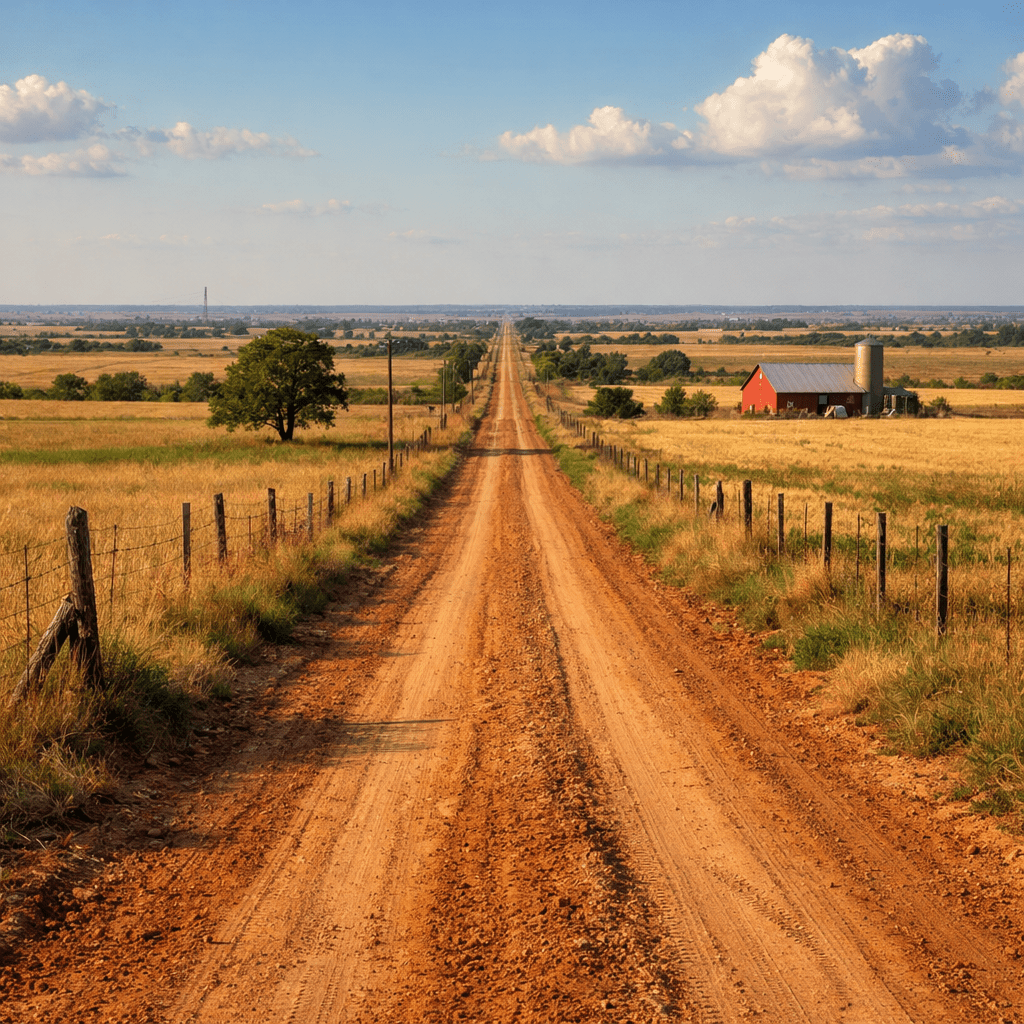
I didn’t grow up knowing Mary Oliver’s poetry. I wish I had. I wish someone had handed me one of her books when I was a teenager walking the long dirt roads of rural Oklahoma, trying to make sense of a life that felt too heavy for my young body to hold.
But even though I didn’t know her then, I know her now — and in so many ways, it feels like we’ve been walking the same path all along.
Mary Oliver survived trauma.
So did I.
Mary Oliver found sanctuary in the natural world.
So did I.
Mary Oliver found solace in her craft.
And I am finding mine.
Who Was Mary Oliver?
Mary Oliver (1935–2019) was one of the most beloved poets in the United States — a Pulitzer Prize winner, a National Book Award winner, and a woman whose quiet, contemplative voice changed the landscape of American poetry.
She grew up in a difficult, dysfunctional home. She survived childhood sexual abuse. She escaped into the woods near her house, building small huts, writing poems, and learning early that nature could hold what people could not.
Her poetry wasn’t fancy or academic.
It wasn’t trying to impress anyone.
It was truthful, attentive and alive.
And maybe that’s why her words feel like they were written for people like me — people who learned to survive by noticing the world around them.
Where Our Stories Meet
When I was a teenager, I used to take long walks down country roads or across our family’s land. I didn’t have the language for what I was doing then — I just knew I needed to get out. To breathe. To think. To imagine a life beyond the one I was living.
Those walks were my sanctuary.
My escape.
My prayer.
It was during one of those walks that I first felt it — the quiet, steady knowing that there was a greater purpose for my life than just surviving. That the reason I survived was so I could help someone else survive too.
Later in my life, those walks turned into jogging. Then running.
To this day, I can’t stand a treadmill.
I need the sky.
I need the wind.
I need the feeling of being held by something bigger than myself.
Mary Oliver understood that.
She lived that.
Mary Oliver once wrote:
“Instructions for living a life.
Pay attention.
Be astonished.
Tell about it.”
I wish I’d had those instructions taped to my wall when I was young.
I wish someone had told me that paying attention was a form of survival.
A form of devotion.
A form of art.
Because the truth is: sometimes I don’t pay attention.
Sometimes I’m too busy, too distracted, too consumed by the unyielding call of daily life to notice the beauty right in front of me.
I forget to be astonished.
I forget to look up.
I forget to breathe.
But Mary’s words bring me back.
What Mary and I Share
We both learned early that the world can be cruel.
We both found refuge in the natural world.
We both turned to our craft — her poetry, my writing — as a way to make meaning out of the mess.
We both learned that truth doesn’t need to be fancy.
It just needs to be honest.
And even though I can’t ask her, Mary passed away in 2019, I believe she would understand the way writing has become my sanctuary. My ceremony. My way of paying attention.
Following Mary’s Instructions
So I’m trying.
I’m trying to pay attention.
To be astonished.
To tell about it.
Because maybe that’s all any of us can do.
 Toni Peters - Author
Leave a comment